The Two Seasons That Matter
Mauritius runs on southern-hemisphere seasons. Winter, roughly May to October, is cooler, drier, and windier — daytime temperatures in the mid twenties, steady southeast trade winds, and the most reliable conditions on the island. Summer, November to April, is hotter and more humid, with more rain and the official cyclone season.
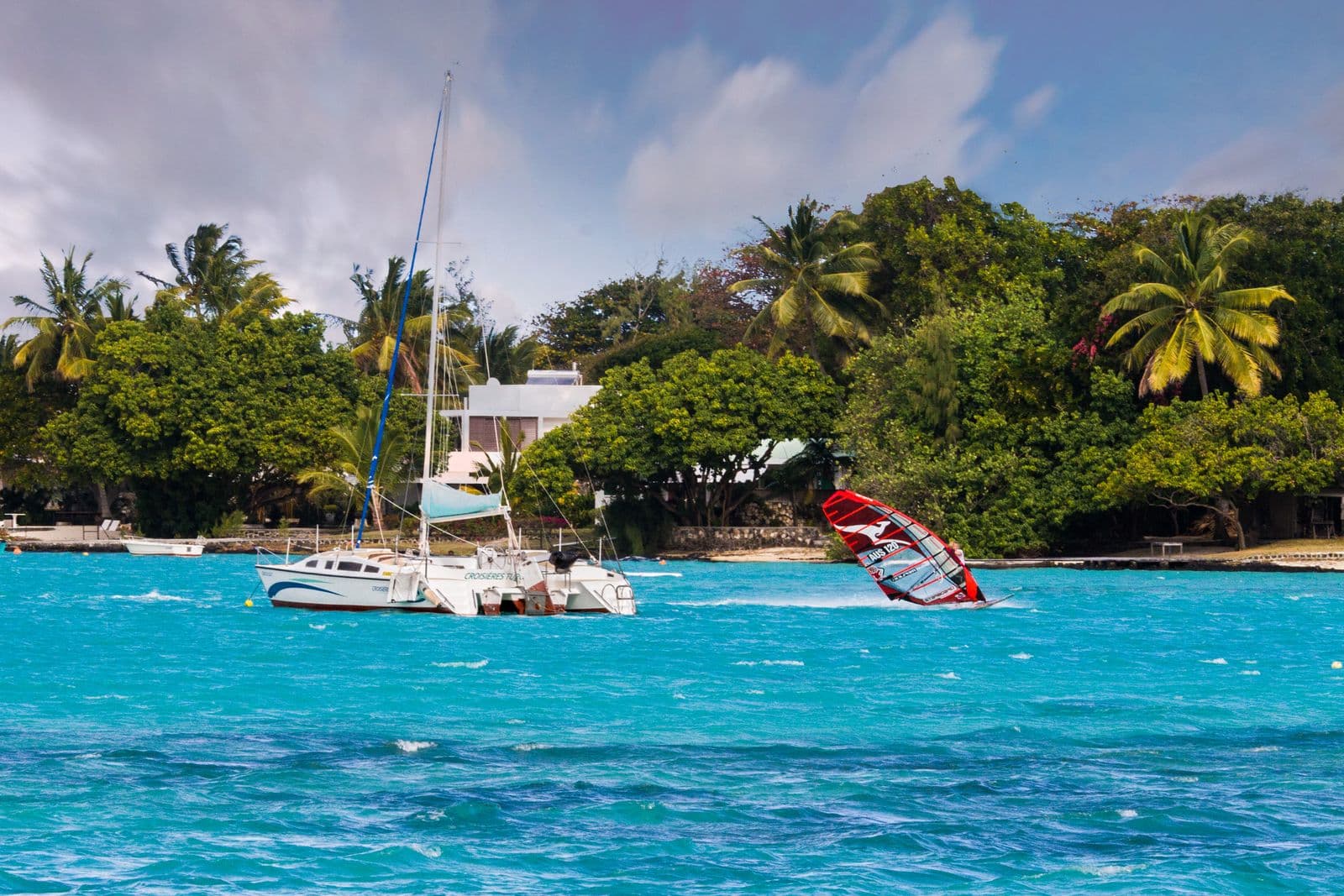
Le Morne sits on the southwest corner, one of the drier and sunnier coasts. The peninsula's signature is wind: the trades wrap around the mountain and feed the kite lagoon, which is exactly what kitesurfers come for and what hikers plan around.
Best Months For The Hike
The hike wants cool air, dry rock, and manageable wind — which points to the winter months, May to October, and to early morning starts all year. The gulley on the upper section becomes genuinely dangerous in rain, and the exposed upper ridge is unpleasant in strong wind, so the daily weather matters more than the month.
In summer the mountain is still hikeable on the right day, but you are working around heat, humidity, afternoon build-ups, and the chance of a cyclone system rearranging your week. Start at first light whatever the season; official access starts at 07:00 and the latest hiking start is 14:30.
Best Months For Kitesurfing
The kite season runs on the trades: May to November, with June to September the strongest and most consistent stretch. If your trip is built around wind, aim for those months and accept that the same wind cools the beach.
Summer still gets rideable days, but consistency drops and the cyclone season adds uncertainty.
Best Months For The Beach And Lagoon
The lagoon works all year. Summer brings the warmest water — around the high twenties from December to March — along with heat and the occasional storm system. Winter water is fresher but entirely swimmable, and the drier air makes long beach days easier.
Wind is the real variable: on strong trade-wind days the kite side of the peninsula churns while the public beach side stays calmer. The beach guide covers which zones work in which wind.
Cyclone Season, Honestly
The official cyclone season runs November to May, with the highest activity January to March. Most summer weeks are storm-free, and direct hits are rare — but when a system approaches, everything at Le Morne stops: the trail, the lagoon, the flights over the underwater waterfall.
If you travel in cyclone season, build one flexible day into the plan and follow Mauritius Meteorological Services warnings without negotiation.
Crowds And Prices
Peak visitor season centers on October to December and the European holiday windows, when resorts fill and the trailhead car park is busiest. The May to September winter is quieter outside of school holidays, and late summer — February to April — is the calmest stretch of all, cyclone caveat included.
- Best all-round compromise: September and October — dry, mild, wind easing, before peak crowds.
- Built around the hike: May to October, early starts.
- Built around kitesurfing: June to September.
- Built around pure beach warmth: December to March, with cyclone flexibility.
Frequently Asked Questions
What is the best month overall for Le Morne?
September and October hit the widest sweet spot: dry winter weather still holding, mild temperatures, trade winds starting to ease for hikers while still serving kiters, and peak-season crowds not yet arrived.
Is January a good time to visit Le Morne?
For beach and lagoon time, yes — it is hot with the warmest water of the year. It is also the heart of cyclone season, so keep plans flexible and treat the hike as weather-dependent.
When is the rainy season at Le Morne?
Summer, November to April, is the wetter half of the year. The southwest coast around Le Morne is one of the drier parts of the island, so summer rain often comes as short, heavy episodes rather than washed-out weeks.
How cold does it get in winter?
Winter days typically sit in the low-to-mid twenties with cooler evenings and a fresh trade wind. The sea stays swimmable; a light layer for evenings is enough.
Can you hike Le Morne year-round?
When the trail is open, yes — the constraint is the day's weather, not the calendar. Rain rules out the upper section, strong wind makes the exposed ridge unpleasant, and summer heat argues for first-light starts.
Check today before you plan months
The live status page shows the current trail state and conditions reading.